
The Nature of Luck in Gaming
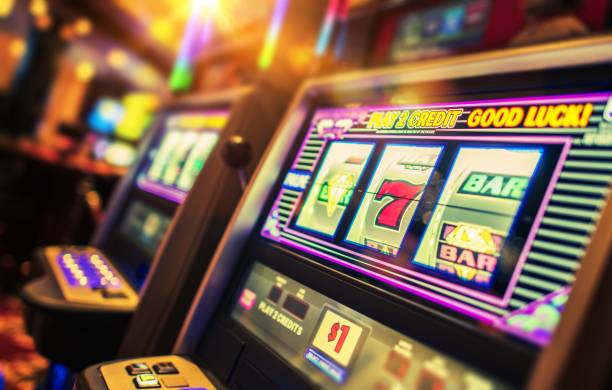
Luck is often considered a fundamental element in the world of gambling, particularly in casinos. Traditionally, many games, such as slot machines or roulette, hinge on chance rather than skill. Players find themselves at the mercy of random number generators or the whims of a spinning wheel. The unpredictability of these outcomes can evoke a sense of thrill and anticipation, making luck a defining aspect of the overall experience. For those looking to increase their chances, exploring options like a fast withdrawal casino can provide exciting opportunities, as every spin or roll carries the potential for a life-changing win.
Moreover, the concept of luck transcends mere chance; it intertwines with psychology. Players often believe in their ability to influence outcomes through “lucky” rituals or charms. These beliefs can shape the way they interact with the games, affecting both their enjoyment and their performance. For instance, some players might wear specific clothing or carry talismans that they associate with good fortune. This psychological component is crucial—when players feel lucky, they are more likely to engage in riskier behavior, which can enhance their experience, whether that leads to winning or losing.
Additionally, different cultures celebrate luck in various ways, adding to the richness of the casino experience. For instance, certain colors, symbols, or numbers might be deemed lucky in one culture and unlucky in another. Casinos often cater to these beliefs, creating environments that inspire a sense of fortune, such as using colors like red and gold, which are often associated with prosperity. By understanding how these perspectives shape player behavior, one can appreciate the profound role that luck plays within the gambling landscape, making the experience more immersive and engaging.
The Role of Luck in Game Selection
Selecting games at a casino often involves personal belief systems concerning luck. Many players gravitate towards specific games they perceive as “luckier,” whether based on past experiences or common myths surrounding them. For instance, some may prefer dice games like craps due to the perceived collective luck of the players, while others may find solace in solitary games like slots, where luck seems more directly tied to their individual decisions. This inclination can significantly affect their overall gaming strategy and satisfaction with their casino experience.
The variety of games available is extensive, and each offers different odds and potential for winnings. Understanding the mechanics behind these games can help players make informed choices about what they consider “lucky.” For instance, some might favor progressive jackpots, believing that the larger payout potential increases their luck, while others may opt for games with better odds of winning smaller amounts consistently. This strategic approach to game selection can amplify the thrill of gambling, as players align their choices with their personal beliefs about luck.
The atmosphere in casinos can also enhance the belief in luck when choosing a game. This ambiance can include celebratory sounds from winners, flashy displays, and even the layout of the gaming floor. Such elements can create a vibrant environment that fosters a sense of positivity, making players feel that luck is on their side. When a player feels that they are surrounded by good fortune, they are more likely to engage enthusiastically, impacting their overall enjoyment and the decisions they make regarding which games to play.
Luck and Emotional Influence
The emotional rollercoaster of gambling is intricately tied to the concept of luck. Winning generates excitement and boosts self-esteem, while losing can bring disappointment and frustration. This emotional dynamic is essential for understanding how luck influences the casino experience. Players who experience a winning streak often report feeling more confident and are likely to continue playing, driven by the belief that their luck is favorable in that moment. This heightened sense of confidence can lead to even greater engagement with the games, further enhancing their experience.
Conversely, losing streaks can lead to feelings of doubt and despondency. Many players will try to overturn their luck by doubling down or changing their strategies, seeking that elusive winning moment. This cycle of emotions, driven by luck, dictates not only how players feel during their time at the casino but also influences their behaviors, potentially leading to risky gambling decisions in pursuit of regaining lost funds. Understanding this emotional connection can be pivotal for players looking to navigate the highs and lows of their gambling experiences.
Moreover, the concept of ‘hot’ and ‘cold’ tables often emerges in social interactions amongst players. When someone perceives they are at a ‘hot’ table, their emotions can amplify, creating an exhilarating environment filled with anticipation and collective hope. This shared experience reflects how luck can be contagious—when players share in a sense of good fortune, it enhances the overall atmosphere, making the experience more memorable and enjoyable for everyone involved. Social connections in casinos can thus serve to elevate the perception of luck and shared excitement.
Luck versus Strategy in Gambling
While luck plays a pivotal role in gambling, many players also advocate for incorporating strategy into their gameplay. Understanding the odds, game mechanics, and payout structures allows players to make more informed decisions that could enhance their chances of winning. For instance, card games like poker blend luck with skill, where strategic thinking can often compensate for bad luck, making the player’s experience richer and more dynamic. This interplay between luck and strategy adds depth to the gaming experience, allowing players to feel a greater sense of control.
Moreover, some games feature elements that allow for strategic choices, such as betting options or how to play particular hands. Players who invest time in learning strategies can feel empowered, balancing the randomness of luck with their skills. This creates an interesting juxtaposition within the experience, where players appreciate the thrill of luck while also enjoying the challenge of mastering a game. The knowledge that they can influence outcomes through strategy can lead to greater satisfaction and engagement with the games.
Nevertheless, there will always be a degree of unpredictability that no strategy can completely mitigate. The acceptance of this randomness is vital for players seeking to enhance their casino experience. Knowing when to rely on luck or apply strategy adds layers of complexity to gameplay, allowing for a more comprehensive understanding of what makes the gaming experience enjoyable and engaging. Ultimately, the balance between luck and strategy can define how players perceive their success and enjoyment in the casino environment.
Discovering Your Luck Online
As technology evolves, many players are turning to online casinos, where the role of luck remains just as significant. In the digital realm, players can access a variety of games from the comfort of their own homes, often with features and bonuses that enhance their chances of winning. The online environment caters to a diverse spectrum of players, providing opportunities for both casual gamers and serious gamblers alike. This accessibility can create a sense of personal luck, as players can tailor their gaming experience to their preferences.
Online casinos also harness the concept of luck through innovative promotional strategies. Bonuses and free spins can create a sense of luck among players, enabling them to explore new games without risking their own funds. This opens up avenues for discovering what games might align with their personal luck while simultaneously enhancing their overall experience. The flexibility of online platforms allows players to engage with luck on their terms, making it a unique and individualized journey.
Furthermore, the social aspect of gambling has found its place within online casinos. Many platforms offer live dealer games, allowing players to interact with real dealers and each other, replicating the social dynamics of traditional casinos. This interaction can amplify feelings of luck, as players share their successes or strategies in real-time, reinforcing the communal aspect of gaming and enhancing the overall experience of luck in this alternate gaming environment. The blend of technology and social interaction continues to redefine how players perceive and experience luck in gambling.